
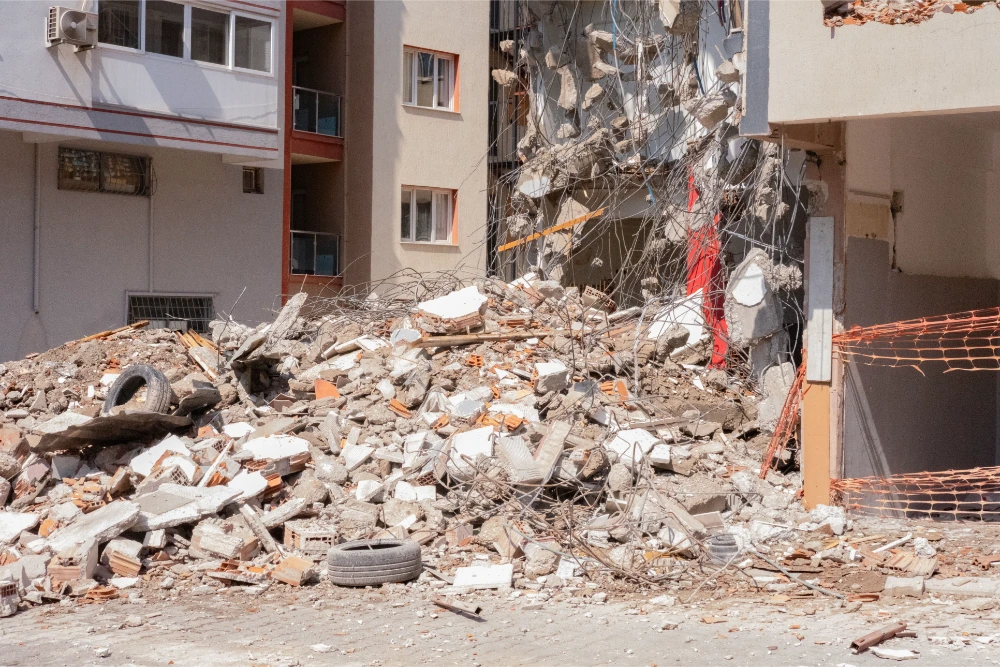
Construction Debris Removal in Hemet, CA
Renovating a kitchen, replacing flooring, repairing a roof, or clearing a construction site can leave you with piles of drywall, lumber, concrete, tile, cabinets, and other debris. We clear that material so you can get back to the project without spending your day loading and hauling it yourself.
Construction Debris Removal Services in Hemet
Construction waste can look very different from one project to another. A bathroom remodel may leave behind drywall and tile, while a garage renovation can create lumber, cabinets, flooring, and other bulky materials. We can help with many types of nonhazardous construction debris, depending on the material, amount, and access to the property.
Any Stage of the Project
Individual project cleanup or a full site cleanout — we can discuss removal based on the amount and type of material.
Homeowners & Contractors
You don’t need to be a professional contractor to need this service — a DIY remodel can leave just as much debris behind.
Heavy Material Handled Carefully
Concrete, brick, and tile are heavy and can require different handling than lightweight drywall or wood scraps — tell us the amount upfront.
Sorted Where Practical
Materials can be directed toward reuse, recycling, or appropriate disposal based on their type and condition.
Construction Debris We Handle
We can help with many types of nonhazardous construction debris, depending on the material, amount, and access.
Drywall Removal
Drywall pieces, broken sheets, plasterboard, and related nonhazardous debris. Keep damaged material separate from liquids or chemicals.
Concrete & Brick Removal
Broken concrete, bricks, cinder blocks, masonry, pavers, and small amounts of demolition rubble.
Lumber & Wood Debris
Lumber, wood scraps, plywood, OSB, trim, wood framing, broken cabinets, and pallets.
Roofing Debris
Shingles, underlayment, wood pieces, and other roofing material from repairs or replacements.
Flooring & Tile Removal
Carpet, carpet padding, laminate, vinyl flooring, ceramic and porcelain tile, and underlayment.
Cabinet & Countertop Removal
Old cabinets, countertops, sinks, and related materials left after kitchen and bathroom renovations.
What Construction Debris Do We Remove?
Exact materials accepted can depend on condition, quantity, weight, and disposal requirements. If you’re unsure about an item, send a photo or describe it before scheduling.
- Drywall
- Lumber
- Plywood
- Concrete
- Brick
- Masonry
- Tile
- Flooring
- Cabinets
- Countertops
- Doors
- Windows
- Wood Scraps
- Packaging & Project Debris
Construction Debris From Home Remodelling Projects
Different remodeling projects create different types of waste.
Kitchen Remodel Debris
Cabinets, countertops, flooring, drywall, tile, sinks, and other materials.
Bathroom Renovation Debris
Drywall, tile, flooring, fixtures, cabinets, and other bulky debris.
Flooring Replacement Debris
Old carpet, tile, laminate, or vinyl — a pile that’s difficult to fit into a normal vehicle.
Roofing Cleanup
Shingles, underlayment, wood pieces, and other material left around the property.
Garage Renovation Debris
Drywall, lumber, flooring, cabinets, and miscellaneous construction waste.
Shed & Small Structure Cleanup
Wood, roofing, panels, and other debris left after removing a small structure.
Residential & Contractor Debris Removal
Residential Construction Debris Removal
You don’t have to be a professional contractor to need construction debris removal. A homeowner may finish a bathroom remodel and discover the garage is full of broken tile and drywall, or replace flooring and be left with rolls of carpet and old underlayment.
These projects can create more waste than a normal residential trash cart is designed to handle. For larger projects, the City of Hemet also has specific construction waste requirements that homeowners and contractors should understand.
Contractor & Commercial Debris Removal
Contractors may need a site cleared after demolition, remodeling, or installation work. Property owners may need debris removed before painting, cleaning, staging, or another phase of the project.
For larger jobs, provide the approximate amount and type of debris before scheduling so the appropriate removal option can be discussed.
What Construction Materials Can We Not Remove?
Not every material from a construction project belongs in ordinary debris removal:
- Asbestos-containing materials — use a qualified professional for testing and removal
- Hazardous chemicals — paints, solvents, adhesives, fuels, pesticides
- Propane cylinders & fuel containers
- Materials contaminated with chemicals or biological waste
The City of Hemet states that household hazardous waste cannot be placed in the automated residential collection program and provides separate disposal information for these materials. The Riverside County Department of Waste Resources handles household hazardous waste collection — see rcwaste.org. If you’re unsure whether something is safe to remove, describe the material before pickup.
How Our Construction Debris Removal Process Works
The process starts with understanding exactly what needs to be removed.
Step 01
Request a Quote
Tell us what type of debris you have and approximately how much there is. Photos help when the material is difficult to describe.
Step 02
Describe the Debris
Mention materials like concrete, drywall, lumber, tile, roofing, cabinets, or mixed renovation debris, plus its location.
Step 03
Schedule Your Pickup
Choose an available pickup time that works for your project. Ask about current availability if you need it removed quickly.
Step 04
We Load the Debris
The removal crew handles the loading included in the agreed service — you shouldn’t have to carry every piece yourself.
Step 05
Materials Are Sorted
Where practical, materials are directed toward reuse, recycling, or appropriate disposal based on type and condition.
Step 06
Final Cleanup
After the agreed debris is removed, the work area is checked for remaining loose material included in the service.
How Much Does Construction Debris Removal Cost in Hemet?
There’s no single price for every job — the cost depends on the amount and type of debris, access, labor, and disposal requirements. For mixed construction debris, the amount of truck space required is often a key part of the quote.
Amount of debris
Volume drives most of the cost
Material type & weight
Concrete and brick differ from drywall or wood scraps
Truck space
A small pile differs from a full garage renovation
Stairs & distance
From the debris to the vehicle
Tight access
Narrow paths or difficult loading areas
Sorting & disposal
Requirements vary by material
Where Does Construction Debris Go?
Construction debris doesn’t all follow the same path — depending on the material and condition, some items may be suitable for reuse or recycling while others require disposal.
Concrete & Brick
Clean concrete and masonry may have recycling or recovery options.
Metal
Metal components can often be separated for scrap recycling.
Wood
Clean wood may have reuse, recycling, or other recovery options depending on condition.
Drywall
A common material handled per applicable disposal or recycling requirements.
Landfill
Material that can’t reasonably be reused or recycled goes to an appropriate facility.
Construction Waste Recycling in Hemet:
The City of Hemet’s Waste Management Plan states that nonhazardous construction waste generated during applicable projects must be recycled and/or salvaged for reuse at a minimum of 65%, under the cited CALGreen Section 5.408.1 requirement. The city’s tracking form specifically covers materials such as asphalt/concrete, brick/masonry, cardboard, and drywall — construction and demolition materials must be transported to a landfill or recycling facility permitted by CalRecycle or exempt from permitting. This means construction waste isn’t simply a matter of putting everything into a regular household trash cart. For a permitted project, the property owner or contractor should follow the requirements that apply to that project.
Construction Debris Removal vs. Dumpster Rental vs. DIY
When a Dumpster Makes Sense
- You’re doing a multi-day renovation
- Debris will be produced over several days
- You have space for the container
- You’re comfortable loading it yourself
When Removal Service Makes More Sense
- The project is already finished
- You want the debris gone quickly
- You don’t want to load the material yourself
- You have limited space for a dumpster
- The debris is already piled and ready for pickup
What DIY Debris Removal Involves
- A suitable truck or trailer, plus fuel
- Loading help, tie-downs, protective equipment
- Time for driving and disposal arrangements
- A way to unload heavy material safely
Who Does the Loading?
With a dumpster, the customer or contractor normally handles loading. With a removal service, loading can be included as part of the agreed service.
A dumpster stays for the agreed rental period; a removal service loads and hauls debris away during the scheduled pickup.
Why Remove Construction Debris Promptly?
A pile of debris can get in the way of the next stage of a project.
Keep Walkways Clear
Loose boards, broken tile, and nails make it harder to move safely around a work area.
Keep the Project Organized
Removing completed-work debris gives you more room for the next stage.
Prepare for Cleaning
Once the larger material is gone, cleaning and finishing work become easier.
Make the Property Usable
A cleared garage, driveway, or room can be used for its intended purpose again.
Common Construction Debris Removal Projects in Hemet
Kitchen Remodel Cleanup
Old cabinets, countertops, flooring, drywall, and other accepted renovation debris.
Bathroom Remodel Cleanup
Tile, drywall, flooring, fixtures, and other project materials.
Flooring Replacement
Old carpet, padding, laminate, vinyl, tile, and related debris.
Roofing Cleanup
Accepted roofing material and related debris after a roof project.
Garage Renovation
Old flooring, drywall, cabinets, lumber, and miscellaneous construction material.
Shed Demolition Cleanup
Remaining wood, roofing, panels, and other accepted debris after removal.
Rental Property Renovation
Preparing a rental property for its next phase of repairs, cleaning, or occupancy.
Construction Site Cleanup
Accumulated nonhazardous construction debris removed after work is complete.
Construction Debris Removal Areas We Serve
Our target service area is Hemet and the surrounding San Jacinto Valley. If you’re outside these areas, provide your address or nearest cross streets before scheduling so the actual service area can be confirmed. Hemet’s official waste information identifies CR&R as the city’s contracted trash, recycling, and green waste provider within city limits.
- Hemet
- East Hemet
- San Jacinto
- Valle Vista
- Diamond Valley
- Green Acres
- Juniper Springs
- Winchester
- Homeland
Frequently Asked Questions About Construction Debris Removal
Get Your Construction Debris Removal Quote
Finished a remodel and still have a garage full of drywall? Replaced the flooring and need the old material gone? Tell us what type of debris you have, approximately how much there is, and where it’s located.